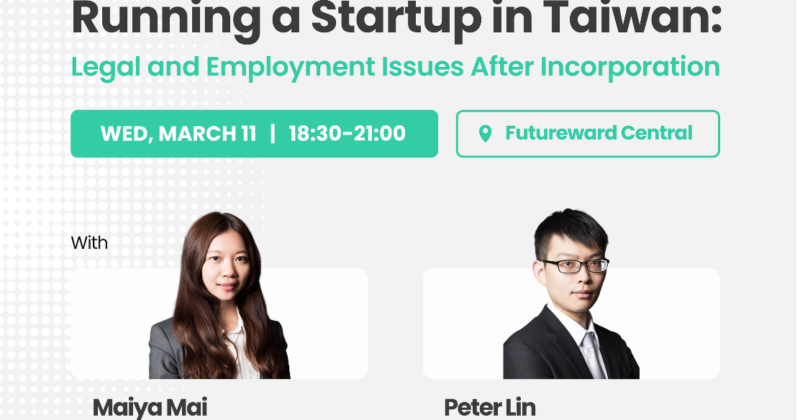
Yesterday, March 11 2026, Maiya Mai and Peter Lin presented “Running a Startup in Taiwan: Legal and Employment Issues After Incorporation” at Futureward Central. We addressed the critical legal and...
Work-from-home and hybrid arrangements are now standard perks for startups competing for global talent. But flexibility on where work is done does not mean flexibility in legal compliance. Under Taiwan...
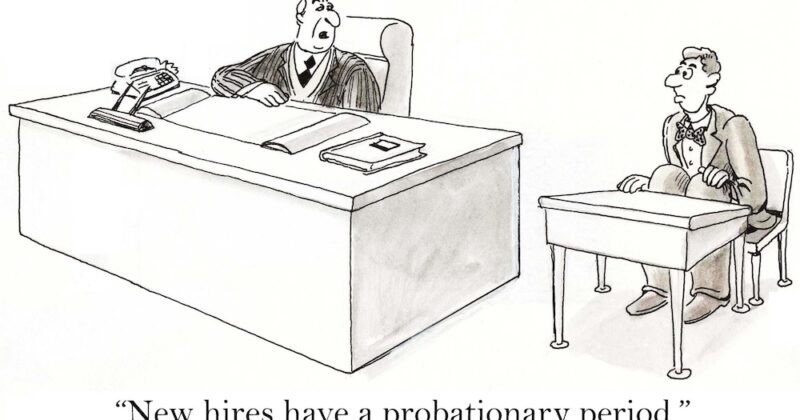
Probationary periods are commonly adopted by employers in Taiwan. The purpose of a probationary period is for employers and employees to assess each other's suitability. During a probationary period, both...
This checklist covers key aspects such as working hours, wages, and social securities. By familiarizing yourself with these critical elements, you can fortify your position and mitigate potential legal challenges....
We understand that startups may be interested in using the agreement generated by ChatGPT considering the cost and efficiency. Given such, we would like to address at least 5 crucial...
During the initial startup stage, through emails or verbal communication, employers often agree to mundane matters such as working hours, vacations, salaries, stock options, etc. However, employers may not sign...
Despite offering more lively and flexible working arrangements, it is not uncommon for startups to inadvertently violate laws and be fined by labor authorities if they do not pay attention...
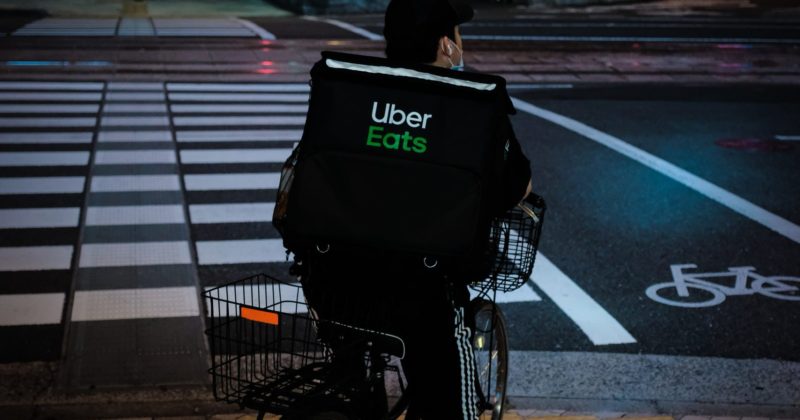
In Taiwan, Uber Eats used to partner with local qualified third-party “Cargo Transportation Businesses” to deliver food. However, it recently changed its operational structure. Under the new structure, Uber Eats...
In the past, it was not uncommon for employers in Taiwan to require employees to sign post-employment non-compete clauses, although whether such non-compete clause can be legally enforceable was subject...